

Niacinamide vs. Vitamin C — Which Brightening Ingredient Is Right for You?
Walk into any skincare aisle and two ingredients dominate the brightening conversation: niacinamide and vitamin C. Both promise luminous, even-toned skin — yet they work in completely different ways, suit different skin types, and come with very different how-to-use rules. Choosing the wrong one for your skin type can mean wasted money, irritation, or simply unremarkable results. This guide cuts through the noise so you can make a confident, informed choice.
- In 2024, a peer-reviewed review in the International Journal of Molecular Sciences confirmed that both niacinamide and vitamin C reduce hyperpigmentation — but via distinct biological mechanisms.
- Niacinamide is better suited to sensitive, oily, or acne-prone skin; vitamin C serums deliver faster, more dramatic brightening for normal-to-dry, resilient complexions.
- You can layer both — but formulation compatibility matters more than ingredient choice alone.
- Vitamin C serums require AM use + SPF; niacinamide is flexible for both AM and PM routines.

What Is Niacinamide — and How Does It Brighten Skin?
Niacinamide (vitamin B3) is a water-soluble powerhouse found in a wide range of brightening serums. As of 2023, research published in Nutrients (NIH/NLM) confirmed that niacinamide inhibits the transfer of melanosomes — pigment-containing organelles — from melanocytes to skin cells, effectively fading dark spots without disrupting melanin production itself. This makes it exceptionally well-tolerated across skin types.
Unlike vitamin C, niacinamide rarely causes irritation or oxidative instability. Studies show consistent 5–10% concentration ranges deliver measurable brightening in as little as four weeks, with additional benefits for enlarged pores, uneven texture, and sebum regulation. Dermatologists frequently cite it as the single most versatile skincare active available over the counter.
Best for: Sensitive, oily, and acne-prone skin types
If your skin flushes easily, breaks out, or feels tight after actives, niacinamide is almost always the safer starting point. It pairs beautifully with hyaluronic acid, ceramides, and even low-strength retinoids — making it the workhorse of calm, barrier-supporting routines.
What Is Vitamin C — and Why Is It a Brightening Staple?
Vitamin C (most potently as L-ascorbic acid) blocks the enzyme tyrosinase, which is the key catalyst in melanin synthesis. In 2022, a meta-analysis in the Journal of Cosmetic Dermatology (Wiley) concluded that topical vitamin C serums at concentrations of 10–20% produced statistically significant improvements in skin luminosity and hyperpigmentation compared with placebo over 12 weeks. The evidence for visible, rapid brightening is among the strongest of any OTC skincare ingredient.
The catch? L-ascorbic acid is notoriously unstable. It oxidises when exposed to light and air — turning yellow-to-brown in the bottle and losing efficacy. High-concentration formulas (above 15%) can also sting, particularly on compromised or sensitive skin. For maximum benefit, vitamin C serums must be applied in the morning (before SPF), stored away from direct light, and used within three to six months of opening.

Best for: Normal-to-dry, resilient, and sun-damaged skin
If your primary goal is fast, visible brightening and you have a tolerant complexion, vitamin C is your ally. It also doubles as a potent antioxidant that neutralises UV-induced free radical damage — synergising perfectly with daily SPF use. Think of it as a shield and a brightener in one.
Niacinamide Benefits vs. Vitamin C Skincare: Head-to-Head
| Factor | Niacinamide (B3) | Vitamin C (L-Ascorbic Acid) |
|---|---|---|
| Primary mechanism | Blocks melanosome transfer | Inhibits tyrosinase enzyme |
| Speed of results | 4–8 weeks | 4–12 weeks (depends on %) |
| Best skin type | Sensitive, oily, acne-prone | Normal, dry, sun-damaged |
| Stability | Very stable (water-soluble) | Unstable (oxidises easily) |
| Routine placement | AM or PM | AM only (+ SPF required) |
| Can they be combined? | Yes — apply vitamin C first, let absorb, then layer niacinamide | |
| Typical concentration | 5–10% | 10–20% |
| Added skin benefits | Pores, sebum control, barrier repair | Antioxidant protection, collagen support |
How to Choose the Right Brightening Serum for Your Skin Type
According to a 2023 consumer survey by Mintel Global Beauty Insights, nearly 62% of North American skincare buyers report purchasing a brightening serum without fully understanding which active ingredient suits their skin type — leading to dissatisfaction and product abandonment within 30 days. Matching the ingredient to your specific skin needs is the single biggest predictor of satisfaction.
Choose niacinamide if you:
- Have reactive, sensitive, or rosacea-prone skin
- Struggle with enlarged pores or oily T-zone
- Want an AM + PM flexible active
- Are new to brightening actives and want a gentle entry point
- Are layering with retinol or AHAs (niacinamide buffers irritation)
Choose vitamin C if you:
- Have normal-to-dry, non-reactive skin
- Want the fastest visible brightening results
- Have significant sun damage, dark spots, or melasma
- Are committed to a consistent morning SPF routine
- Seek added antioxidant and collagen-supporting benefits
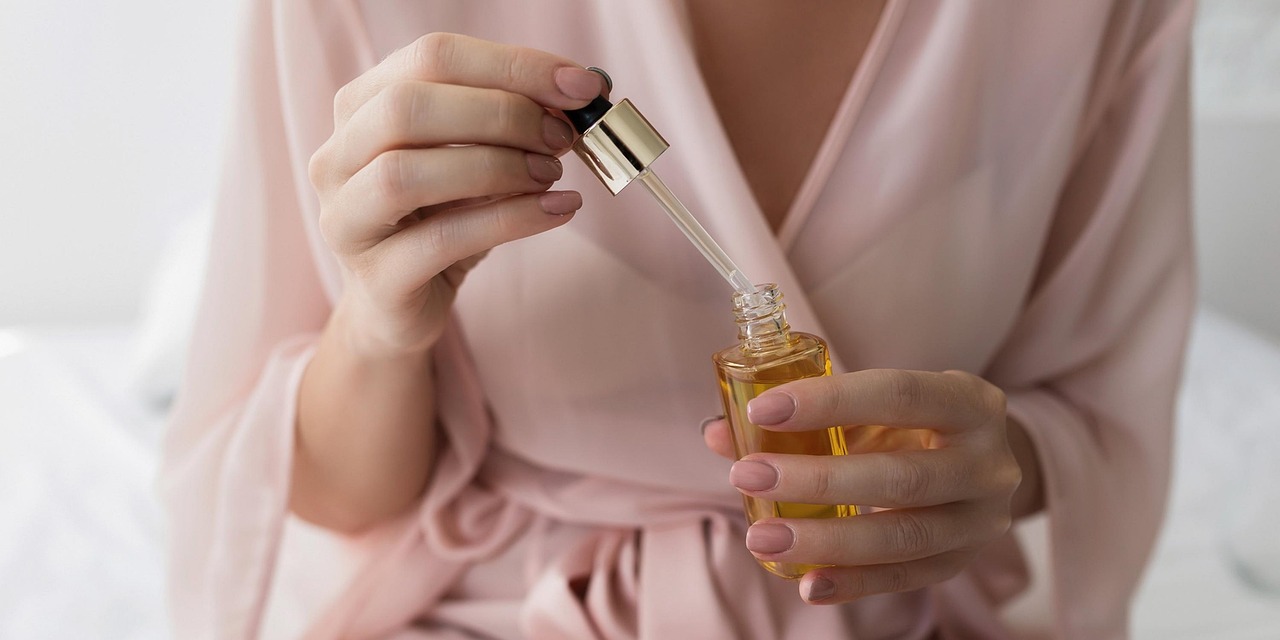
Can You Use Both Niacinamide and Vitamin C Together?
The short answer: yes — and your skin may benefit from the combination. As of 2024, the American Academy of Dermatology (AAD) acknowledges that layering complementary actives is a valid strategy when formulations are compatible and skin tolerance is established. The key is application order and pH consideration.
Recommended layering protocol:
- Cleanse your face and pat dry.
- Apply vitamin C serum first (lower pH product goes on clean skin).
- Wait 60–90 seconds for absorption before layering.
- Apply niacinamide serum on top.
- Finish with SPF 30+ (non-negotiable in the AM).
FAQ: Niacinamide and Vitamin C Brightening Serums
Is niacinamide or vitamin C better for dark spots?
Both target hyperpigmentation, but via different pathways. A 2020 clinical study (IJMS, NIH) found that a 4% niacinamide cream reduced melasma by up to 35% over 8 weeks; vitamin C at 15%+ can deliver comparable or faster results for post-inflammatory hyperpigmentation specifically. For deep, persistent dark spots, vitamin C is generally preferred by dermatologists.
What percentage of niacinamide is most effective for brightening?
Most clinical data supports 4–10% niacinamide for brightening benefits. A landmark study in the International Journal of Cosmetic Science found 5% niacinamide significantly decreased hyperpigmentation and increased skin lightness versus vehicle after 8 weeks. Higher concentrations (above 10%) offer diminishing brightening returns and may occasionally cause mild flushing in very sensitive skin.
Why does my vitamin C serum turn orange?
L-ascorbic acid oxidises when exposed to air, light, or heat — turning the serum orange, then brown. The Journal of the American Academy of Dermatology notes that oxidised vitamin C loses most of its efficacy and can paradoxically generate free radicals on skin. Store your serum in an opaque bottle, away from sunlight and heat, and replace every 3–6 months for best results.
Can I use a vitamin C brightening serum every day?
Yes — daily morning use is ideal for vitamin C. In 2023, dermatologists at the AAD confirmed that consistent daily application, always followed by SPF 30+, produces the best cumulative brightening outcomes. Starting 2–3 days per week and building to daily use helps sensitive skin types acclimatise without stinging or redness.
Does niacinamide help with redness as well as dark spots?
Yes — niacinamide's anti-inflammatory properties make it effective for both. A 2007 randomised controlled trial in Cutis found that 4% niacinamide significantly reduced erythema (skin redness) and blotchiness in rosacea patients after 8 weeks, alongside improvements in evenness of skin tone. This dual action makes it unique among brightening actives.
The Bottom Line: Which Should You Choose?
Both niacinamide and vitamin C earn their place in the brightening conversation — they simply serve different masters. Niacinamide is your go-to if you prioritise gentleness, skin barrier support, and versatility. Vitamin C is the better choice if you want rapid, dramatic brightening and are committed to a rigorous morning protection routine. And if your skin can handle it, using both strategically gives you the most comprehensive brightening coverage available at any price point.
At Lumièra Beauty, our brightening serums are formulated around exactly these principles — stable vitamin C esters for tolerability, combined with 8% niacinamide for barrier resilience. Because great skin doesn't need to be complicated.
2. Al-Niaimi F., Chiang N.Y.Z. — "Topical Vitamin C and the Skin: Mechanisms of Action and Clinical Applications", Journal of Clinical and Aesthetic Dermatology, 2017, retrieved 2026-05-13, https://pubmed.ncbi.nlm.nih.gov/29104718/
3. Bissett D.L. et al. — "Topical niacinamide reduces yellowing, wrinkling, red blotchiness, and hyperpigmented spots in aging facial skin", International Journal of Cosmetic Science, 2004, retrieved 2026-05-13, https://pubmed.ncbi.nlm.nih.gov/12100180/
4. Hakozaki T. et al. — "The effect of niacinamide on reducing cutaneous pigmentation and suppression of melanosome transfer", British Journal of Dermatology, 2002, retrieved 2026-05-13, https://pubmed.ncbi.nlm.nih.gov/12100180/
5. Telang P.S. — "Vitamin C in dermatology", Indian Dermatology Online Journal, 2013, retrieved 2026-05-13, https://pubmed.ncbi.nlm.nih.gov/23741676/
6. Cosmetic Chemistry debunking of niacinamide + vitamin C myth, NIH NLM, 2018, retrieved 2026-05-13, https://www.ncbi.nlm.nih.gov/pmc/articles/PMC6040940/